Weighted Fidget Toys: Deep Pressure Therapy Guide 2026
Dr. Sarah Mitchell
Author
The Science of Deep Pressure Therapy
Deep pressure therapy, also known as deep pressure stimulation or proprioceptive input, is a therapeutic approach that has been used in occupational therapy and sensory integration treatment for decades. It involves the application of firm, evenly distributed pressure to the body, which stimulates the proprioceptive system, the sensory system responsible for body awareness, spatial orientation, and movement coordination.
Understanding Proprioception
Proprioception is often called the "sixth sense." It is the body's ability to perceive its own position, movement, and orientation in space without relying on visual input. This sense is mediated by specialized receptors called proprioceptors, which are located in muscles, tendons, joints, and ligaments. When these receptors are stimulated, they send signals to the brain that provide information about body position, muscle tension, and movement.
When you hold a weighted fidget toy, the additional mass increases the stimulation of proprioceptors in your hands, wrists, and arms. This increased proprioceptive input has a cascading effect on the nervous system, influencing everything from muscle tone and coordination to emotional regulation and stress response.
The Neurological Impact of Deep Pressure
Research conducted by occupational therapist and researcher Dr. Temple Grandin was among the first to demonstrate the calming effects of deep pressure stimulation. Dr. Grandin's work, which drew from her personal experience with autism, showed that deep pressure activates the parasympathetic nervous system, the branch of the autonomic nervous system responsible for the body's rest and digest functions.
When deep pressure is applied, the following neurological changes occur:
- Reduced cortisol production: The stress hormone cortisol decreases, leading to a reduction in feelings of anxiety and tension.
- Increased serotonin and dopamine levels: These neurotransmitters, associated with mood regulation and feelings of well-being, are released in greater quantities, promoting a sense of calm and contentment.
- Decreased heart rate and blood pressure: The cardiovascular system shifts from a sympathetic (fight-or-flight) state to a parasympathetic (rest-and-digest) state, promoting physical relaxation.
- Improved sensory processing: Deep pressure helps organize the sensory system, making it easier for the brain to process and integrate information from multiple sensory channels simultaneously.
These neurological effects explain why weighted fidget toys can be so effective for individuals with sensory processing challenges, anxiety disorders, autism spectrum disorder, and ADHD.
The Research Behind Weighted Interventions
A growing body of scientific literature supports the use of weighted items as therapeutic tools. A systematic review published in the American Journal of Occupational Therapy examined multiple studies on the use of weighted vests and lap pads for children with autism and ADHD. The review found that deep pressure therapy was associated with improvements in attention, decreased hyperactive behavior, reduced anxiety, and improved sleep quality.
Another study published in the Journal of Medical and Biological Engineering found that the use of weighted blankets significantly reduced anxiety in adults during a stressful medical procedure. Participants who used weighted items reported lower subjective anxiety scores and showed measurable decreases in physiological stress indicators.
Types of Weighted Fidget Toys
Weighted Lap Pads
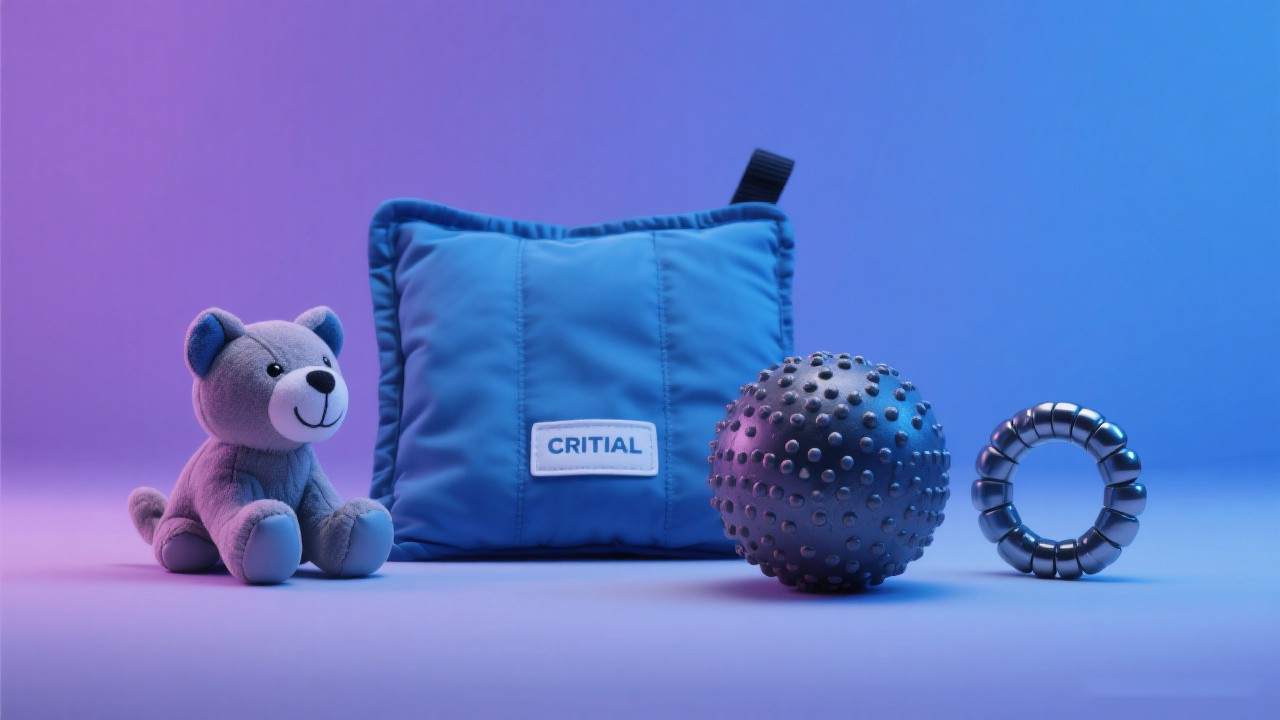
Weighted lap pads are flat, rectangular pads filled with weighted materials such as glass beads, plastic pellets, or steel shot. They are designed to rest across the thighs while seated, providing deep pressure to the lower body. Lap pads are among the most versatile weighted fidget tools because they can be used in a variety of settings including classrooms, offices, therapy sessions, and at home.
Lap pads typically range in weight from 2 to 8 pounds, with the appropriate weight depending on the user's body size and individual sensory needs. Many lap pads feature removable covers for easy washing and come in various textures and fabrics to provide additional tactile input. Some models include built-in fidget elements such as textured patches, zippers, or sensory strips, combining the benefits of deep pressure with tactile stimulation.
Weighted Stuffed Animals and Comfort Objects
Weighted stuffed animals, also known as weighted plush toys, combine the comforting familiarity of a soft toy with the therapeutic benefits of deep pressure. These items are particularly popular with children but are also available in adult-friendly designs. The weighted filling provides a grounding, calming sensation that can help with anxiety, sleep difficulties, and emotional regulation.
Weighted stuffed animals typically weigh between 1 and 5 pounds, making them lighter than lap pads but still substantial enough to provide meaningful proprioceptive input. They are especially effective for children who need a portable source of comfort during transitions, medical appointments, or other potentially stressful situations. Many therapists recommend weighted stuffed animals as part of a bedtime routine to improve sleep quality.
Weighted Rings and Handheld Fidgets
Weighted rings and handheld weighted fidgets bring the benefits of deep pressure therapy to a compact, portable format. These items are designed to be held in the hand or worn on the fingers, providing localized proprioceptive input that can be calming and grounding.
Weighted rings are typically made from stainless steel, tungsten, or other dense metals. They provide a constant, subtle weight on the finger that many users find grounding throughout the day. Some weighted rings also incorporate fidget elements such as spinning bands, textured surfaces, or movable components, combining proprioceptive input with tactile and kinesthetic stimulation.
Handheld weighted fidgets include items like weighted stress balls, heavy-duty squish toys, and dense rubber fidget objects. These items provide both the tactile feedback of a traditional fidget toy and the proprioceptive input of a weighted item. They are ideal for use during meetings, classes, or any situation where a more discreet form of sensory support is needed.
Weighted Neck Wraps and Shoulder Pads
Weighted neck wraps drape across the shoulders and upper back, providing deep pressure to the neck, shoulders, and upper trapezius muscles. This area is a common site of tension, particularly for individuals who experience stress-related muscle tightness. The gentle weight of a neck wrap can help release this tension while providing the calming benefits of deep pressure stimulation.
Some weighted neck wraps can be microwaved or chilled to provide additional thermal therapy. The combination of weight and temperature creates a multi-sensory experience that can be particularly effective for pain management, stress relief, and relaxation.
Weighted Compression Items
While not traditional fidget toys, weighted compression items such as compression vests and weighted blankets deserve mention in any discussion of deep pressure therapy tools. These items provide both deep pressure and the sensation of being held or hugged, which can be profoundly calming for individuals with sensory processing differences. Compression vests are commonly used in school and therapy settings, while weighted blankets have gained widespread popularity as sleep aids.
Who Can Benefit from Weighted Fidget Toys
Individuals with Autism Spectrum Disorder
Sensory processing differences are a core feature of autism spectrum disorder (ASD). Many individuals with autism seek out deep pressure input naturally, through activities like wrapping themselves in tight blankets, pressing against furniture, or seeking heavy work activities. Weighted fidget toys provide a safe, structured way to meet this sensory need.
For individuals with autism, weighted fidget toys can help reduce sensory overload, improve focus and attention, decrease self-stimulatory behaviors that may be harmful, and promote emotional regulation. Occupational therapists frequently recommend weighted items as part of a sensory diet, a personalized plan of sensory activities designed to help individuals with autism maintain optimal arousal levels throughout the day.
Individuals with ADHD
Attention Deficit Hyperactivity Disorder (ADHD) is characterized by difficulties with sustained attention, impulse control, and activity regulation. Many individuals with ADHD have sensory processing differences that contribute to these challenges. Weighted fidget toys address both the sensory and attentional components of ADHD.
The proprioceptive input provided by weighted items helps regulate the nervous system, promoting a state of calm alertness that is optimal for learning and productivity. At the same time, the fidget component provides a constructive outlet for the physical restlessness that is common in ADHD. Research has shown that students with ADHD who use weighted lap pads during classroom activities demonstrate improved on-task behavior and academic performance.
Individuals with Anxiety Disorders
Anxiety disorders affect millions of people worldwide and can range from generalized anxiety to specific phobias, social anxiety, and panic disorder. The physiological symptoms of anxiety, including rapid heartbeat, shallow breathing, muscle tension, and racing thoughts, are driven by the sympathetic nervous system's fight-or-flight response.
Weighted fidget toys help counteract this response by activating the parasympathetic nervous system through deep pressure stimulation. The physical sensation of weight provides a grounding anchor that can interrupt the cycle of anxious thoughts and physical symptoms. Many people with anxiety disorders find that holding a weighted fidget toy during stressful situations, such as public speaking, social events, or medical appointments, provides a tangible source of comfort and stability.
Individuals with Sensory Processing Disorder
Sensory Processing Disorder (SPD) is a condition in which the brain has difficulty receiving, organizing, and responding to sensory input. Individuals with SPD may be over-responsive to certain sensory inputs (sensory defensiveness) or under-responsive (sensory seeking). Weighted fidget toys are particularly beneficial for sensory seekers who crave deep pressure and proprioceptive input.
For individuals with SPD, weighted fidget toys provide the intense sensory input they need in a safe, controlled manner. This can reduce the likelihood of seeking out inappropriate or dangerous forms of sensory stimulation, such as crashing into furniture, excessive jumping, or self-injurious behaviors.
Adults with Stress and Sleep Difficulties
The benefits of weighted fidget toys extend beyond clinical populations. Many adults without diagnosed conditions experience stress, difficulty concentrating, and sleep problems that can be alleviated with deep pressure therapy. A weighted lap pad used during work hours can improve focus and reduce stress, while a weighted fidget toy used during an evening relaxation routine can promote better sleep quality.
How to Choose the Right Weighted Fidget Toy
Weight Selection Guidelines
Selecting the appropriate weight is the most important factor in choosing a weighted fidget toy. For lap pads and wearable weighted items, the general guideline is to select a weight that is approximately 10 percent of the user's body weight, plus one pound. However, this is a starting point, and individual preferences vary significantly.
For handheld weighted fidgets, the weight should feel substantial enough to provide noticeable proprioceptive input but not so heavy that it causes fatigue or discomfort. Most handheld weighted fidgets range from 0.5 to 2 pounds. It is often helpful to try several different weights to find the one that feels most comfortable and effective.
Material Considerations
The outer material of a weighted fidget toy affects both comfort and durability. Soft, plush fabrics such as minky, fleece, or cotton are comfortable against the skin and provide additional tactile input. Silicone and rubber materials are durable, easy to clean, and provide a different tactile experience. Metal components, such as those found in weighted rings, offer a cool, smooth sensation that some users prefer.
The filling material is also important. Glass beads are a popular choice because they provide even weight distribution and a smooth texture. Plastic pellets are lighter and more affordable but may shift over time. Steel shot provides the densest weight in the smallest volume but can feel less organic than other options.
Size and Portability
Consider where and when you plan to use your weighted fidget toy. Lap pads and weighted blankets are excellent for home use but may not be practical for travel. Handheld weighted fidgets and weighted rings offer the most portability and can be used in virtually any setting. Think about your daily routine and choose a weighted fidget toy that fits seamlessly into your lifestyle.
Using Weighted Fidget Toys Effectively
Creating a Sensory Diet
A sensory diet is a personalized schedule of sensory activities designed to help an individual maintain optimal arousal levels throughout the day. Weighted fidget toys can be incorporated into a sensory diet at specific times when the user typically experiences difficulty. For example, a student might use a weighted lap pad during math class when sustained attention is most challenging, while an adult with anxiety might use a weighted fidget ring during work meetings.
Combining Weighted Fidgets with Other Therapies
Weighted fidget toys are most effective when used as part of a comprehensive therapeutic approach. They can be combined with other sensory strategies such as movement breaks, oral sensory tools, and environmental modifications. For individuals receiving occupational therapy, weighted fidget toys should be used under the guidance of a therapist who can monitor progress and adjust recommendations as needed.
Monitoring Progress and Adjusting
When introducing weighted fidget toys, it is important to monitor the user's response and make adjustments as needed. Track changes in attention, behavior, mood, and sleep quality to assess the effectiveness of the weighted item. If the user shows signs of overstimulation, such as increased agitation, lethargy, or avoidance, reduce the weight or duration of use. If the user does not seem to be responding, consider increasing the weight or trying a different type of weighted fidget toy.
Safety Precautions
While weighted fidget toys are generally safe, there are some important safety considerations to keep in mind. Weighted items should never be placed on an infant or used to restrict movement. Individuals with respiratory conditions, circulatory problems, or certain medical conditions should consult a healthcare provider before using weighted items. Always ensure that weighted items, particularly those with small components, are used under appropriate supervision, especially with young children.
Conclusion
Weighted fidget toys represent a powerful intersection of sensory integration therapy and accessible self-regulation tools. By combining the proprioceptive benefits of deep pressure with the engaging qualities of fidget toys, these items offer a unique therapeutic experience that can benefit individuals across a wide spectrum of needs. Whether used to support a child with autism in the classroom, help an adult manage anxiety in the workplace, or improve sleep quality at home, weighted fidget toys provide a non-invasive, drug-free approach to sensory regulation. As research in sensory processing and occupational therapy continues to advance, the understanding of how weighted interventions affect the nervous system will only deepen, leading to even more refined and effective products in the future.
Frequently Asked Questions
What is deep pressure therapy and how does it work?
Deep pressure therapy is a sensory-based intervention that applies firm, distributed pressure to the body, typically through weighted objects or compression garments. It works by stimulating proprioceptive receptors in the muscles and joints, which send signals to the central nervous system that promote a sense of calm and body awareness. This type of input activates the parasympathetic nervous system, reducing heart rate, lowering cortisol levels, and promoting the release of serotonin and dopamine.
Are weighted fidget toys safe for children?
Weighted fidget toys are generally safe for children when used appropriately. The key safety consideration is selecting the correct weight. A common guideline is to choose a weighted item that is approximately 10 percent of the child's body weight, plus one pound. However, this should be adjusted based on the child's individual needs and a therapist's recommendation. Always supervise young children with weighted items and ensure they can remove the item independently.
Can weighted fidget toys help with anxiety?
Yes, weighted fidget toys can be highly effective for managing anxiety. The deep pressure provided by weighted items stimulates the proprioceptive system, which has a calming effect on the nervous system. Research has shown that deep pressure therapy can reduce physiological markers of anxiety, including heart rate, blood pressure, and cortisol levels. Many people with generalized anxiety disorder, social anxiety, and panic disorder find weighted fidget toys to be valuable self-regulation tools.
How do weighted fidget toys differ from regular fidget toys?
While regular fidget toys primarily provide tactile and kinesthetic stimulation through movement and texture, weighted fidget toys add the element of proprioceptive input through their mass. This additional weight provides deep pressure stimulation that affects the nervous system differently than tactile input alone. Weighted fidget toys engage both the touch receptors in the skin and the proprioceptive receptors in the muscles and joints, creating a more comprehensive sensory experience.
How long should you use a weighted fidget toy?
The recommended duration varies depending on the individual and the specific product. For weighted lap pads and similar items, 20 to 30 minutes of use is generally sufficient to achieve a calming effect. Weighted fidget toys that are held in the hand can be used for shorter periods of 10 to 15 minutes at a time. It is important to monitor the user's response and remove the weighted item if they show signs of discomfort, fatigue, or overstimulation.