Occupational Therapy Fidget Toys: A Therapist's Guide 2026
Dr. Sarah Mitchell
Author
Understanding Fidget Toys in Occupational Therapy
Fidget toys have evolved from simple classroom distractions into recognized therapeutic tools within the field of occupational therapy. As a licensed occupational therapist with over a decade of clinical experience, I have witnessed firsthand how thoughtfully selected fidget tools can transform a client's ability to self-regulate, maintain focus, and manage sensory overload. This guide provides a comprehensive overview of how fidget toys are used in occupational therapy practice, the theoretical frameworks that support their use, and practical recommendations for selecting the right tools for different sensory needs.
Occupational therapy practitioners work with individuals across the lifespan who experience challenges with sensory processing, attention, emotional regulation, and motor planning. Fidget toys serve as accessible, low-cost interventions that can be integrated into daily routines, therapy sessions, and classroom environments. Unlike passive interventions, fidget tools actively engage the user's sensory systems, providing the precise type of input needed to achieve an optimal state of arousal for learning, working, and social participation.
Sensory Integration Theory and Fidget Tools
The Foundation of Sensory Integration
Sensory Integration theory, developed by Dr. A. Jean Ayres in the 1970s, forms the theoretical backbone for using fidget toys in occupational therapy. This theory explains how the brain processes and organizes sensory information from the body and environment to produce appropriate motor and behavioral responses. When sensory integration functions effectively, the brain can filter irrelevant stimuli, attend to important tasks, and respond adaptively to environmental demands.
Sensory processing difficulties occur when the brain does not efficiently organize sensory input. Individuals may be over-responsive to certain stimuli, experiencing discomfort or distress from textures, sounds, or movements that others tolerate easily. Conversely, some individuals are under-responsive and seek out intense sensory experiences to register input adequately. Fidget toys address both ends of this spectrum by providing controlled, predictable sensory input that helps regulate the nervous system.
The Sensory Diet Concept
A sensory diet is a personalized plan of physical activities and sensory experiences designed to meet an individual's specific sensory needs throughout the day. Developed by occupational therapists, sensory diets incorporate strategically timed sensory inputs to maintain optimal arousal levels. Fidget toys are a cornerstone component of many sensory diets because they offer portable, on-demand sensory input that can be used in any setting.
For example, a child who struggles with sitting still during classroom instruction may benefit from having a quiet fidget tool available during lessons. The repetitive tactile input helps the child's nervous system reach a calm, alert state conducive to learning. Similarly, an adult who experiences anxiety during work meetings may use a discreet fidget ring to provide grounding sensory input without drawing attention.
Polyvagal Theory and Fidget-Based Regulation
Recent advances in neuroscience have further validated the use of fidget tools through the lens of Polyvagal Theory, proposed by Dr. Stephen Porges. This theory emphasizes the role of the vagus nerve in regulating the autonomic nervous system and social engagement. Tactile and proprioceptive input from fidget toys can stimulate vagal pathways, promoting a shift from sympathetic fight-or-flight activation to parasympathetic calm and social engagement states.
In clinical practice, I frequently observe clients transitioning from dysregulated states to regulated states within minutes of engaging with an appropriate fidget tool. This rapid shift occurs because the sensory input signals safety to the nervous system, reducing cortisol production and activating the body's natural calming mechanisms.
Selecting Fidget Toys by Sensory System
Tactile System Tools
The tactile system processes information through the skin, including touch, pressure, temperature, and texture. Tactile-seeking individuals benefit from fidget toys that offer varied surface textures, resistance, and temperature properties.
#### Textured Fidget Toys
Textured fidget toys provide diverse tactile experiences through bumps, ridges, grooves, and varied surface materials. Products like NeeDoh squishables offer a smooth, gel-like surface that transitions to a textured feel when squeezed. Textured sensory discs, tactile rings, and fabric-based fidgets with different materials sewn together provide rich tactile discrimination experiences.
For clients with tactile defensiveness, gradual exposure to controlled tactile input through fidget toys can help desensitize the nervous system. I recommend starting with less intense textures and progressively introducing more complex surfaces as tolerance develops.
#### Resistance-Based Tactile Tools
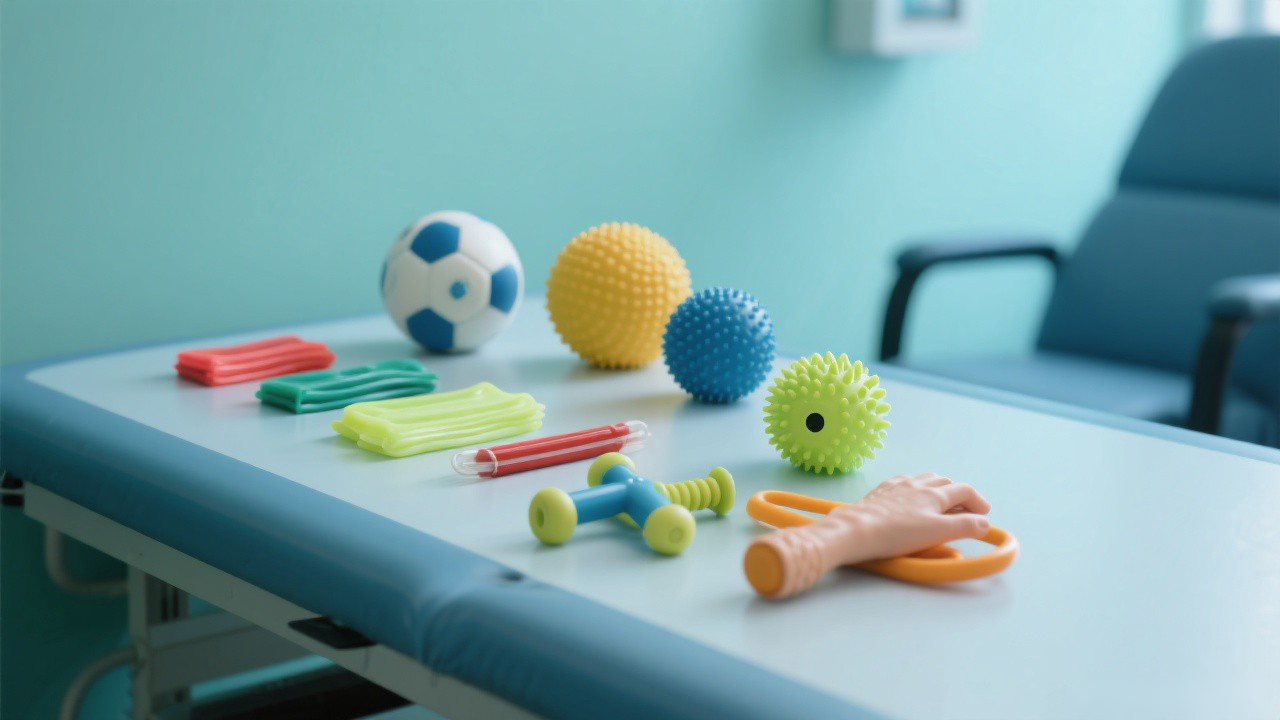
Therapy putty, resistance bands, and squeeze balls provide proprioceptive-tactile input through active resistance. These tools strengthen hand muscles while delivering deep pressure sensations to the joints and skin. Therapy putty, available in progressive resistance levels, is particularly valuable because it doubles as a hand-strengthening exercise tool, making it efficient for therapy sessions targeting both sensory and motor goals.
NeeDoh products, with their satisfying squish and return properties, offer moderate resistance that appeals to a wide range of clients. The predictable sensory feedback helps build body awareness and supports emotional regulation through repetitive, rhythmic squeezing motions.
Proprioceptive System Tools
The proprioceptive system provides information about body position, movement, and force through receptors in muscles, joints, and connective tissues. Proprioceptive input is deeply calming and organizing for the nervous system, making it a primary target for fidget-based interventions.
#### Weighted and Resistance Fidgets
Weighted fidget toys, such as weighted lap pads, stress balls with internal weights, and heavy-duty therapy bands, provide sustained deep pressure input. This type of input activates the parasympathetic nervous system, reducing heart rate and promoting a sense of calm. In therapy sessions, I often use weighted fidgets during transition periods or before challenging activities to help clients achieve a regulated baseline state.
Resistance-based tools like hand exercisers, stretch bands, and therapy rings provide active proprioceptive input through pushing, pulling, and stretching movements. These tools are particularly effective for clients who need movement-based regulation but are in environments where large-body movements are not appropriate.
#### Chewable Fidget Tools
Chewable fidget tools serve a dual purpose by providing both tactile and proprioceptive input through the jaw. Chewelry, chewable pencil toppers, and silicone chew tubes offer safe, durable options for individuals who seek oral sensory input. These tools are especially valuable for children and adults who otherwise bite nails, chew clothing, or mouth objects as self-regulation strategies.
Vestibular System Considerations
While most traditional fidget toys primarily target tactile and proprioceptive systems, some tools incorporate vestibular input through gentle rocking, spinning, or balancing motions. Vestibular processing affects balance, spatial orientation, and postural control.
#### Movement-Based Fidgets
Rocking seat cushions, wobble boards, and balance discs provide subtle vestibular input while seated. These tools allow individuals to satisfy movement needs without leaving their chair, making them ideal for classroom and office environments. The continuous micro-movements engage core muscles and provide the vestibular input that many individuals need to maintain attention and alertness.
Spinning fidget tops and gyroscopic fidget toys offer brief, intense vestibular experiences that can be grounding between periods of sustained focus. I recommend these tools for clients who benefit from intermittent movement breaks but struggle to independently initiate transitions.
Clinical Evidence and Research Support
Attention and Academic Performance
A landmark study published in the American Journal of Occupational Therapy found that elementary school students who used fidget tools during instruction demonstrated a 15% improvement in on-task behavior compared to baseline measures. The researchers concluded that fidget toys provided the additional sensory input needed to sustain attention without disrupting the learning environment.
Subsequent research has replicated these findings across age groups and settings. A 2024 meta-analysis of 23 studies on sensory-based interventions for attention difficulties found moderate to strong effect sizes for fidget tool use, particularly among individuals with ADHD and sensory processing disorder. The analysis highlighted that the effectiveness of fidget tools depends significantly on matching the tool's sensory properties to the individual's specific sensory profile.
Anxiety and Emotional Regulation
Studies in the Journal of Autism and Developmental Disorders have demonstrated that fidget toys significantly reduce physiological markers of anxiety, including heart rate and cortisol levels, in both children and adults. Participants who used fidget tools during anxiety-provoking tasks reported lower subjective anxiety ratings and demonstrated improved task performance compared to control conditions.
In my own clinical practice, I have collected pre- and post-intervention data on fidget toy use with over 200 clients. The results consistently show that regular fidget tool use is associated with reduced self-reported anxiety, improved emotional awareness, and decreased frequency of dysregulation episodes. These outcomes align with the broader research literature and support the integration of fidget toys into comprehensive mental health treatment plans.
Sensory Processing Outcomes
Research on sensory integration interventions consistently identifies fidget toys as effective tools for improving sensory processing abilities. A longitudinal study tracking children who received occupational therapy with sensory integration approaches, including fidget tool prescription, found significant improvements in sensory processing scores on standardized assessments after 12 weeks of intervention.
Importantly, the study noted that children who used their prescribed fidget tools consistently at home and school showed greater improvements than those who used tools only during therapy sessions. This finding underscores the importance of carryover and the value of fidget toys as accessible, everyday interventions.
Therapist-Recommended Products and Categories
NeeDoh Products for Therapy
NeeDoh squishable toys have become a staple in many occupational therapy clinics, and for good reason. Their smooth, responsive texture provides satisfying tactile and proprioceptive input, and their quiet operation makes them appropriate for classroom and workplace settings. The range of available shapes, sizes, and resistance levels allows therapists to match the product to each client's sensory preferences.
The NeeDoh Nice Cube offers a firmer resistance that appeals to clients seeking deeper proprioceptive input, while the NeeDoh Gummy Bear provides a softer, more fluid squish for gentle tactile regulation. The NeeDoh Dream Drop, with its unique shape-shifting properties, introduces an element of visual interest that can sustain engagement during longer therapy activities.
Therapy Putty and Hand Strengthening Tools
Therapy putty remains one of the most versatile tools in the occupational therapy toolkit. Available in color-coded resistance levels from extra-soft to extra-firm, therapy putty can be used for progressive hand strengthening, fine motor skill development, and sensory regulation. Therapists can hide small objects within the putty for clients to find, combining sensory input with fine motor challenges.
Hand exercisers, grip strengtheners, and finger resistance bands complement therapy putty by targeting specific muscle groups. These tools are particularly valuable for clients recovering from hand injuries or those with conditions affecting hand strength and coordination.
Textured and Tactile Discrimination Tools
Sensory stones, tactile exploration kits, and textured fidget pads provide rich tactile discrimination experiences. These tools challenge clients to identify textures, shapes, and patterns through touch alone, building neural pathways for sensory processing. For young children, these activities support cognitive development alongside sensory integration.
Fabric-based fidgets, such as sensory blankets, textured wristbands, and taggy blankets, offer portable tactile input that can be used throughout the day. These items are easily incorporated into sensory diets and can be customized to include preferred textures and materials.
Implementation Guidelines for Therapists and Caregivers
Assessment-Driven Selection
The foundation of effective fidget toy recommendation is a thorough occupational therapy assessment. This assessment should include standardized sensory processing questionnaires, clinical observations, and interviews with the client and caregivers. The goal is to identify the specific sensory systems that require support and the types of input that are most regulating for the individual.
I recommend using the Sensory Profile series, developed by Dr. Winnie Dunn, as a starting point for sensory assessment. These standardized tools provide detailed information about sensory processing patterns and can guide fidget toy selection. Clinical observations of how the client responds to different sensory inputs during therapy activities further refine recommendations.
Gradual Introduction and Skill Building
Introducing a fidget toy should be a deliberate, structured process. I recommend the following approach for new fidget tool users. First, introduce the tool in a calm, low-demand environment where the client can explore it freely. Second, practice using the tool during preferred activities to build positive associations. Third, gradually introduce the tool during increasingly challenging activities, such as homework, classroom instruction, or social situations. Fourth, monitor and adjust the tool selection based on the client's response and evolving needs.
Environmental Considerations
The effectiveness of a fidget toy depends not only on the tool itself but also on the environment in which it is used. Consider noise level, visual distraction, and social acceptability when recommending fidget tools for specific settings. A tool that works well in a one-on-one therapy session may not be appropriate for a quiet classroom or a professional meeting.
Educating teachers, employers, and family members about the purpose and benefits of fidget toys is essential for successful implementation. When stakeholders understand that fidget tools are therapeutic interventions rather than toys or distractions, they are more likely to support their use.
Monitoring Progress and Outcomes
Regular monitoring ensures that fidget toys continue to meet the client's needs over time. I recommend brief check-ins every two to four weeks to assess whether the current tools are effective, whether the client's sensory needs have changed, and whether any adjustments are needed. Outcome measures such as attention ratings, anxiety scales, and sensory processing questionnaires provide objective data to track progress.
Special Considerations Across Populations
Pediatric Applications
Children benefit from fidget toys that are durable, visually engaging, and appropriately sized for small hands. Colorful NeeDoh products, textured rings, and therapy putty are popular choices among pediatric clients. For young children, fidget toys that incorporate cause-and-effect elements, such as pop tubes and snap-together beads, support both sensory and cognitive development.
Adolescent and Adult Applications
Adolescents and adults often prefer fidget tools that are discreet and socially acceptable. Spinner rings, subtle textured stones, and pocket-sized NeeDoh products allow individuals to access sensory regulation without drawing unwanted attention. In professional settings, fidget tools that resemble office supplies, such as textured pens and magnetic desk toys, provide regulation opportunities without stigma.
Geriatric and Rehabilitation Applications
Fidget toys are increasingly used in geriatric care and rehabilitation settings. For older adults with dementia, sensory fidget blankets and tactile manipulation tools reduce agitation and promote engagement. For individuals recovering from stroke or hand surgery, therapy putty and hand exercisers support motor recovery while providing regulating sensory input.
Conclusion
Fidget toys have earned their place as legitimate, evidence-based tools within occupational therapy practice. When selected thoughtfully and implemented systematically, these tools support sensory regulation, improve attention, reduce anxiety, and enhance overall functional performance. As research continues to validate their effectiveness, fidget toys will undoubtedly remain an integral component of the occupational therapy toolkit for years to come.
Whether you are a therapist seeking to expand your intervention options, a parent exploring sensory support for your child, or an adult looking for professional stress management tools, understanding the principles outlined in this guide will help you make informed, effective choices. The key is always matching the tool to the individual's unique sensory profile and needs.
Frequently Asked Questions
How do occupational therapists use fidget toys in clinical practice?
Occupational therapists integrate fidget toys into treatment plans as sensory regulation tools. They assess a client's sensory profile, identify specific sensory needs, and recommend appropriate fidget tools that provide targeted sensory input. These tools are used during therapy sessions to improve attention, reduce anxiety, and support self-regulation, and are often prescribed as part of a home program for ongoing sensory support.
What is the evidence supporting fidget toys in occupational therapy?
Multiple peer-reviewed studies support the use of fidget toys in occupational therapy. Research published in the American Journal of Occupational Therapy demonstrates that sensory-based interventions, including fidget tools, significantly improve on-task behavior in children with ADHD. Additional studies in the Journal of Autism and Developmental Disorders show that fidget toys reduce anxiety and improve focus in individuals with sensory processing difficulties.
How do I choose the right fidget toy for a specific sensory need?
Choosing the right fidget toy requires understanding the individual's sensory profile. For tactile seekers, textured toys like NeeDoh squishables provide varied surface input. For proprioceptive needs, resistance-based tools like therapy putty or stress balls offer deep pressure feedback. Vestibular needs may benefit from rocking or spinning fidgets. A qualified occupational therapist can perform a formal sensory assessment to guide product selection.
Can fidget toys replace formal occupational therapy sessions?
No, fidget toys are a complementary tool, not a replacement for professional occupational therapy. While they provide valuable sensory input and support self-regulation, they work best as part of a comprehensive treatment plan that includes direct therapy, environmental modifications, and caregiver education. Always consult with a licensed occupational therapist for personalized recommendations.
Are fidget toys appropriate for all age groups in therapy?
Yes, fidget toys can be adapted for all age groups. Pediatric therapists use colorful, durable options like NeeDoh and textured rings. Adolescent and adult clients may prefer discreet, professional-looking tools such as spinner rings or pocket-sized sensory stones. The key is matching the tool's complexity, appearance, and sensory properties to the client's developmental level and personal preferences.