Magnetic Putty vs Magnetic Slime: Complete Comparison 2026
Jordan Ellis
Author
What Are Magnetic Putty and Magnetic Slime?
Magnetic putty and magnetic slime are two of the most fascinating fidget toys available in 2026. Both contain ferromagnetic particles that react to magnets, creating mesmerizing visual and tactile experiences. However, they are fundamentally different products with distinct materials, textures, and use cases.
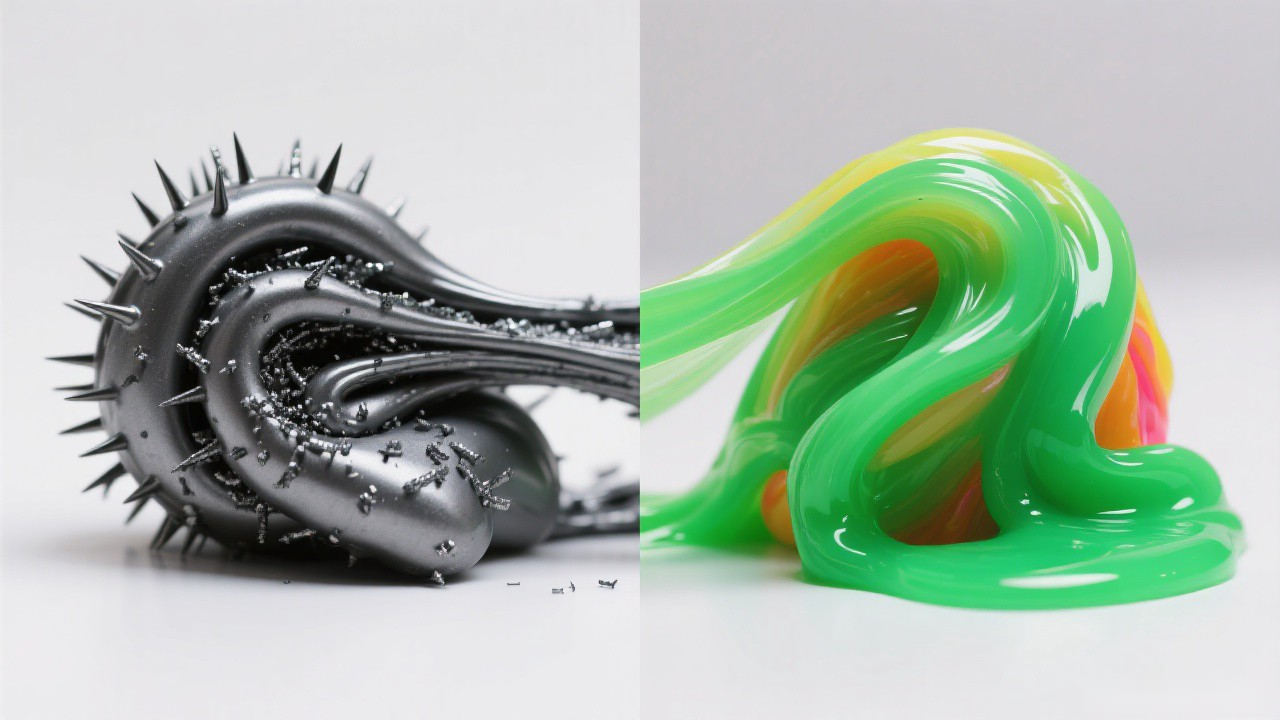
Magnetic putty is a silicone-based polymer infused with millions of microscopic iron particles. It has a firm, doughy consistency similar to traditional thinking putty. When a magnet is brought near it, the iron particles align and the putty stretches, crawls, or engulfs the magnet entirely. It was originally developed as a demonstration of non-Newtonian fluid behavior combined with ferromagnetism.
Magnetic slime, on the other hand, is typically made from a PVA (polyvinyl alcohol) glue base mixed with a borax or saline solution activator, then loaded with iron oxide powder or iron filings. It has a much softer, stretchier, and wetter texture compared to putty. When exposed to a magnet, the slime visibly moves, spikes, or crawls toward the magnetic field in a dramatic fashion.
Understanding these differences is essential for choosing the right product for your needs, whether you are buying for stress relief, sensory therapy, educational purposes, or pure entertainment.
Material Composition and Manufacturing
Magnetic Putty Ingredients
Magnetic putty is made from a proprietary silicone-based formula. The base material is a cross-linked silicone polymer that gives the putty its elastic, moldable properties. The magnetic component comes from finely ground iron powder that is thoroughly mixed into the silicone during manufacturing. High-quality magnetic putty uses iron particles between 5 and 50 microns in size, which provides a smooth texture while maintaining strong magnetic responsiveness.
The silicone base is what gives magnetic putty its longevity. Unlike slime, which relies on water-based chemistry, silicone putty does not dry out, evaporate, or degrade under normal conditions. This is one of the primary reasons magnetic putty can last for months or even years with proper care.
Some premium magnetic putty brands add additional ingredients such as colorants, glitter, or thermochromic pigments that change color with temperature. These additives enhance the visual appeal without significantly affecting the magnetic properties.
Magnetic Slime Ingredients
Magnetic slime starts with white school glue (PVA) as its primary base. The activator, typically a borax solution, saline solution with baking soda, or liquid starch, creates the cross-linking that turns the glue into slime. Iron oxide powder (Fe3O4) or iron filings are then folded into the slime mixture to provide the magnetic properties.
The ratio of activator to glue determines the slime's consistency. More activator creates a firmer slime, while less activator produces a wetter, stretchier result. The amount of iron content also varies, with most recipes calling for 2 to 4 tablespoons of iron oxide powder per cup of glue. Higher iron content produces more dramatic magnetic reactions but can make the slime heavier and slightly grainy.
Because magnetic slime is water-based, it is susceptible to evaporation, mold growth, and chemical breakdown over time. This is a fundamental limitation compared to silicone-based putty.
Texture and Sensory Experience
How Magnetic Putty Feels
Magnetic putty has a dense, firm texture that requires deliberate force to shape. It resists at first, then yields smoothly as you apply pressure. This resistance is what many users find deeply satisfying. The putty can be pinched, pulled, twisted, rolled, and sculpted. It holds its shape temporarily before slowly flowing back into a puddle.
When a neodymium magnet is placed on or near the putty, the experience becomes extraordinary. The putty appears to come alive, slowly engulfing the magnet over the course of several seconds to several minutes, depending on the putty's stiffness and the magnet's strength. You can stretch the putty into long strands that follow the magnetic field lines, creating spiky formations that look like a hedgehog.
The tactile feedback from magnetic putty is best described as "heavy and grounding." The weight of the iron particles gives it a substantial feel in your hands, which many users find calming and centering during stressful moments.
How Magnetic Slime Feels
Magnetic slime has a completely different sensory profile. It is soft, wet, and extremely stretchy. You can pull it into thin strands that stretch across an entire room. It drips, oozes, and flows in a way that putty simply cannot replicate. The texture is slippery and cool to the touch.
When a magnet is brought near magnetic slime, the reaction is immediate and dramatic. The slime jumps, crawls, or reaches toward the magnet. Spikes form on the surface facing the magnet, creating an alien-like appearance that delights users of all ages. The iron filings inside the slime visibly shift and realign, creating a dynamic, ever-changing surface texture.
The sensory feedback from magnetic slime is "light and stimulating." It engages multiple senses simultaneously: touch, sight, and even sound (the squelching and stretching noises). This makes it particularly appealing for children and individuals who seek varied sensory input.
Durability and Longevity
Magnetic Putty Durability
One of the strongest advantages of magnetic putty is its exceptional durability. A quality tin of magnetic putty can last anywhere from 6 months to over 2 years depending on usage frequency and care. The silicone base does not dry out, and the iron particles remain embedded in the polymer matrix indefinitely.
The main threats to magnetic putty longevity are contamination and debris. If the putty picks up dust, hair, or lint, these particles become embedded and cannot be easily removed. Over time, heavily contaminated putty may become gritty or discolored. To prevent this, always wash and dry your hands thoroughly before handling, and store the putty in its original airtight container.
Extreme temperatures can also affect magnetic putty. Leaving it in a hot car may soften it temporarily, while cold temperatures make it stiff and brittle. However, it will return to its normal consistency once it reaches room temperature.
Magnetic Slime Durability
Magnetic slime has a much shorter lifespan, typically lasting 2 to 4 weeks with regular use. The water-based chemistry means the slime gradually loses moisture through evaporation, causing it to become stiff, crumbly, or sticky. In humid environments, the slime may absorb excess moisture and become too runny.
Mold is another concern with magnetic slime. If the slime is not stored properly or if it comes into contact with food particles, mold can develop within days. Once mold appears, the slime must be discarded immediately.
To extend the life of magnetic slime, store it in an airtight container at room temperature. Some users add a few drops of contact lens solution or liquid starch every few days to refresh the slime's consistency. However, even with meticulous care, magnetic slime will eventually degrade and need to be replaced.
Mess Factor and Clean-Up
Magnetic Putty Mess Level
Magnetic putty is relatively low-mess compared to slime. It does not leave residue on surfaces and can be easily peeled off fabric, wood, glass, and most other materials. The main concern is the iron particles. If the putty breaks or sheds tiny fragments, these iron specks can be difficult to clean from carpets and upholstery.
If magnetic putty gets stuck in hair or fabric, rolling a larger piece of putty over the area can often lift the fragments. For stubborn residue, rubbing alcohol can help dissolve the silicone base. Always keep magnetic putty away from porous surfaces like unfinished wood, suede, and paper, as the iron particles may leave dark stains.
Magnetic Slime Mess Level
Magnetic slime is significantly messier than putty. Its wet, sticky consistency means it can adhere to surfaces and leave residue. If slime gets into carpet, clothing, or hair, removal can be challenging. Vinegar is the most effective household remedy for dissolving slime residue.
The iron oxide powder in magnetic slime can also stain surfaces, particularly light-colored fabrics and porous materials. Many users recommend playing with magnetic slime over a plastic mat or tray to contain the mess. Washing hands immediately after handling is essential, as the iron oxide can transfer to door handles, keyboards, and other frequently touched surfaces.
For parents considering magnetic slime for children, the mess factor is a legitimate concern. Slime requires active supervision and a designated play area to prevent stains and contamination.
Magnetic Strength and Performance
Putty Magnetic Response
The magnetic response of putty depends on two factors: the concentration of iron particles and the strength of the magnet used. Most commercial magnetic putty contains between 20% and 40% iron by weight. This provides a moderate magnetic response that is visible but not overwhelmingly strong.
A standard neodymium magnet (N42 grade, roughly 0.5 inch diameter) will be slowly engulfed by magnetic putty over 30 seconds to 2 minutes. The putty forms a smooth, flowing shape around the magnet. Larger or stronger magnets produce faster and more dramatic results.
The magnetic response of putty is consistent and predictable. It does not change over time because the iron particles are permanently embedded in the silicone matrix. This reliability makes magnetic putty an excellent tool for demonstrating magnetic principles in educational settings.
Slime Magnetic Response
Magnetic slime typically contains a higher concentration of magnetic material, often between 30% and 50% iron by weight. This, combined with the slime's softer consistency, produces more dramatic and immediate magnetic reactions. The slime visibly jumps, spikes, and crawls toward magnets in real time.
The trade-off is that the magnetic response of slime can degrade over time. As the slime dries out or the iron particles settle, the magnetic behavior becomes less consistent. Stirring or kneading the slime can redistribute the iron particles and temporarily restore performance.
For visual impact, magnetic slime is the clear winner. The spiky, animated reactions are more dramatic and entertaining than the slower, smoother movements of magnetic putty.
Stress Relief and Therapeutic Benefits
Putty for Stress Relief
Magnetic putty excels as a stress relief tool for several reasons. The firm resistance provides excellent proprioceptive feedback, which helps ground the nervous system during periods of anxiety or stress. The slow, deliberate movements required to shape and stretch the putty encourage mindful focus, similar to a worry stone or stress ball.
The magnetic element adds an extra layer of engagement. Watching the putty slowly swallow a magnet is hypnotic and meditative. This visual stimulation combined with tactile feedback creates a dual-sensory experience that is particularly effective for managing stress, anxiety, and ADHD symptoms.
Occupational therapists often recommend firm resistance fidgets for adults and older children who need calming sensory input. Magnetic putty fits this recommendation perfectly.
Slime for Stress Relief
Magnetic slime provides a different type of therapeutic benefit. Its soft, stretchy texture offers light tactile stimulation that is more arousing than calming. This makes it better suited for individuals who need sensory arousal rather than sensory calming. The visual spectacle of magnetic slime is also more engaging and stimulating, which can help redirect attention during moments of anxiety or boredom.
For children with sensory processing differences, magnetic slime can be an excellent tool for sensory exploration. The combination of stretchy texture, magnetic movement, and visual feedback engages multiple sensory channels simultaneously. However, the mess factor and short lifespan make it less practical for daily therapeutic use compared to putty.
Price and Value Comparison
Magnetic Putty Pricing
Magnetic putty typically costs between 8 and 20 USD per tin, depending on the brand, size, and quality. A standard 3.2-ounce tin from a reputable brand provides months of use, making the cost per day of enjoyment extremely low. Premium brands that include stronger magnets or specialty formulations may cost up to 30 USD.
Given its longevity and durability, magnetic putty offers excellent value for money. A single tin that lasts 6 to 12 months represents one of the most cost-effective fidget toys available.
Magnetic Slime Pricing
Magnetic slime is generally less expensive upfront, with prices ranging from 5 to 15 USD per container. DIY kits that include all ingredients for making magnetic slime at home are also popular and cost between 10 and 25 USD. However, the short lifespan of magnetic slime means you will need to replace it frequently, increasing the long-term cost.
When factoring in replacement frequency, magnetic slime can actually cost more per month of use than magnetic putty. For budget-conscious buyers who want a long-lasting fidget toy, putty is the more economical choice.
Safety Considerations
Magnetic Putty Safety
Magnetic putty is generally safe for users aged 8 and above. The primary safety concerns relate to the iron particles and the magnets used with it. Iron particles can be irritating if they get into eyes, and strong neodymium magnets pose pinch hazards and should never be swallowed.
Keep magnetic putty away from electronic devices, credit cards, and medical implants such as pacemakers. The iron particles are attracted to magnetic fields and can cause damage to sensitive electronics. Always wash hands after handling to prevent transferring iron particles to surfaces.
Magnetic Slime Safety
Magnetic slime carries additional safety considerations due to its ingredients. Borax, a common slime activator, can cause skin irritation in some individuals. Iron oxide powder should not be inhaled and can stain skin temporarily. Young children should be supervised at all times when handling magnetic slime.
The sticky, wet nature of magnetic slime means it can easily pick up contaminants from surfaces. Always play with slime on clean surfaces and wash hands thoroughly after use. If slime gets on clothing or fabric, treat the stain immediately with vinegar before laundering.
Who Should Choose Magnetic Putty?
Magnetic putty is the better choice for adults, office workers, students, and anyone who wants a durable, low-maintenance fidget toy. It is ideal for people who prefer firm tactile feedback and a clean, mess-free experience. The long lifespan and consistent performance make it a practical daily companion for stress relief and focus enhancement.
Teachers and occupational therapists often prefer magnetic putty for classroom and therapy settings because it is easy to manage, does not leave residue, and can be used repeatedly without degradation.
Who Should Choose Magnetic Slime?
Magnetic slime is best suited for children, sensory seekers, and anyone who enjoys dramatic visual effects. It is the better choice for science demonstrations, sensory bins, and creative play. The stretchy, gooey texture appeals to a different sensory preference than putty, and the immediate magnetic reactions are more entertaining for younger users.
If you enjoy making your own fidget toys, magnetic slime is also an excellent DIY project. The process of mixing ingredients and watching the slime come together is itself a rewarding sensory experience.
Final Verdict
Both magnetic putty and magnetic slime are outstanding fidget toys with unique strengths. Magnetic putty wins on durability, cleanliness, and long-term value. Magnetic slime wins on visual drama, sensory variety, and immediate engagement. For most adults seeking a reliable stress relief tool, magnetic putty is the recommended choice. For children, sensory play, and science education, magnetic slime delivers a more exciting and memorable experience.
Consider your priorities carefully. If you want a fidget toy that lasts for months and can be used discreetly in any setting, go with magnetic putty. If you want a toy that provides maximum sensory stimulation and visual entertainment, magnetic slime is the way to go. Many fidget enthusiasts ultimately end up owning both, as they serve complementary purposes in a well-rounded sensory toolkit.
Frequently Asked Questions
Is magnetic putty or slime better for adults?
Magnetic putty is generally better for adults because it is less messy, more durable, and provides a firmer tactile experience. Slime tends to be more appealing to younger users who enjoy stretchy, gooey textures.
Can magnetic putty damage electronics?
Yes, the iron filings inside magnetic putty can be attracted to electronic devices. Keep magnetic putty away from laptops, phones, credit cards, and pacemakers. Wash your hands after handling.
How long does magnetic slime last?
Magnetic slime typically lasts 2 to 4 weeks before it begins to dry out or become sticky. Storing it in an airtight container and adding a few drops of contact lens solution can extend its life.
Is magnetic putty safe for children?
Magnetic putty is recommended for children aged 8 and up due to small iron particle content. Always supervise young children during use and ensure they do not ingest the putty.
Which is more satisfying to play with?
This depends on personal preference. Magnetic putty offers a denser, more sculptural experience with the ability to "swallow" magnets. Magnetic slime provides a stretchier, more fluid sensory experience with visible magnetic reactions.