Fidget Worm Review: The New Viral Sensation of 2026
Sam Nakamura
Author
What Is the Fidget Worm?
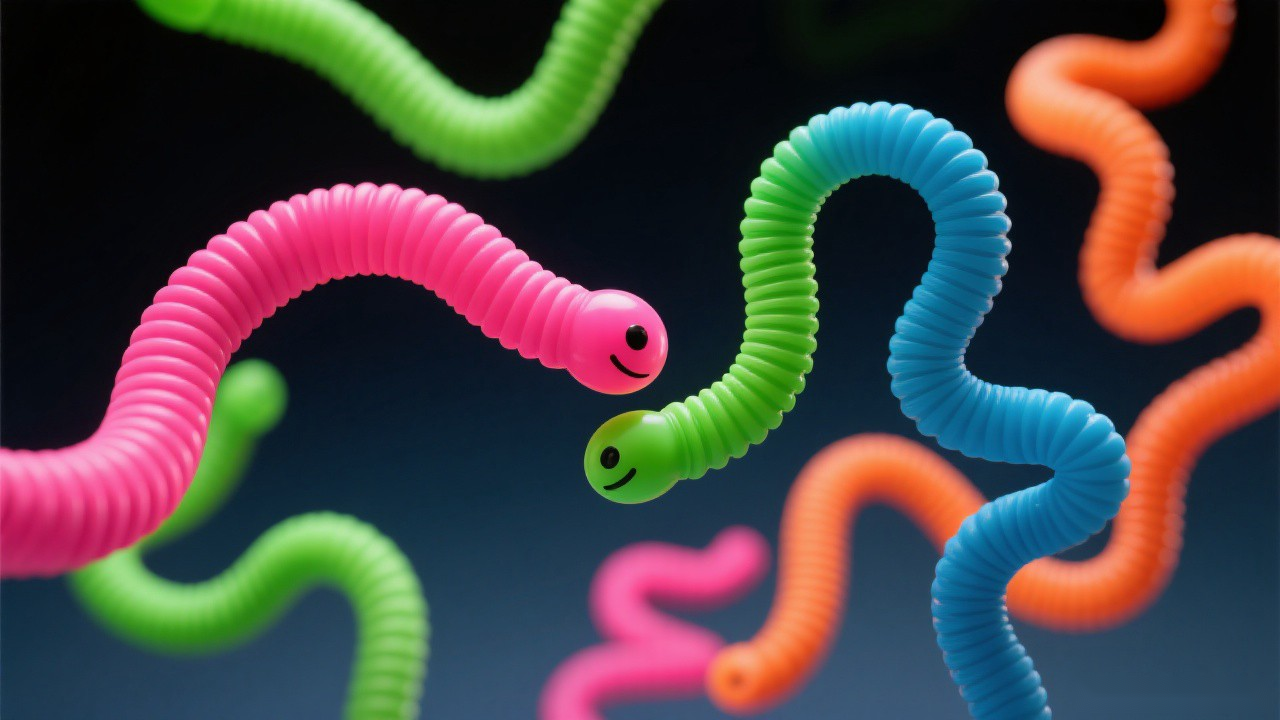
The Fidget Worm has taken the fidget toy community by storm in 2026, quickly becoming one of the most talked-about sensory toys of the year. Shaped like a colorful caterpillar, the Fidget Worm consists of multiple interlocking segments connected by a flexible internal cord. Each segment can rotate, bend, and click against its neighbors, creating a highly engaging tactile and auditory experience.
The concept behind the Fidget Worm is elegantly simple. Unlike traditional fidget toys that offer a single type of interaction, such as spinning, squeezing, or popping, the Fidget Worm provides multiple modes of engagement in one compact package. You can twist it, bend it, stretch it, click the segments together and apart, wrap it around your fingers, or simply roll it between your palms. This versatility is a key reason for its rapid rise in popularity.
Originally designed as a sensory tool for children with autism and ADHD, the Fidget Worm has broadened its appeal to include stress relief seekers, office workers, students, and casual fidget enthusiasts. Its approachable design and satisfying interactions make it accessible to users of all ages.
Design and Build Quality
Segment Construction
The Fidget Worm is constructed from individual plastic or silicone segments that are threaded onto a central elastic cord. Each segment features interlocking ridges that allow it to click into position when rotated. The number of segments varies by model, with most standard Fidget Worms containing between 12 and 24 segments.
Premium versions use high-quality ABS plastic or medical-grade silicone for the segments, while budget versions may use cheaper polymers that feel less refined. The difference is noticeable in the weight, texture, and click quality. Premium segments have a smooth, polished finish with satisfying tactile ridges, while budget segments may have rough edges or inconsistent molding.
Internal Cord System
The internal elastic cord is the most critical component of the Fidget Worm. It holds all the segments together while allowing them to move freely. The quality of this cord determines the toy's flexibility, durability, and overall feel.
High-end Fidget Worms use braided elastic cords with reinforced cores that resist stretching and breaking. These cords maintain consistent tension over months of use, keeping the segments snug and responsive. Budget Fidget Worms often use simple rubber bands that lose elasticity quickly, causing the segments to become loose and floppy within weeks.
Size and Portability
The Fidget Worm is available in several sizes. The standard version measures approximately 8 inches long when fully extended and compacts down to about 3 inches when coiled. Mini keychain versions measure 4 to 5 inches, while jumbo versions can extend up to 14 inches.
The standard size strikes the best balance between portability and playability. It fits comfortably in a pocket, pencil case, or bag, and provides enough segments for satisfying manipulation. The mini version is convenient for on-the-go fidgeting but offers fewer interaction possibilities. The jumbo version is best for home use or as a desk toy.
Sensory Experience and Playability
Tactile Feedback
The Fidget Worm delivers rich tactile feedback through multiple channels. Each segment has textured ridges that stimulate the fingertips as you slide your fingers along the worm. The clicking sensation when segments snap into position provides a crisp, mechanical feedback that many users find deeply satisfying.
The flexibility of the worm allows it to be shaped into endless configurations. You can form it into a circle, a spiral, a figure eight, a bracelet, or any abstract shape your hands create. This open-ended play encourages creativity and keeps the sensory experience fresh over time.
Auditory Feedback
One of the defining characteristics of the Fidget Worm is its sound. Each segment produces a soft clicking noise when rotated past its neighbors. The collective sound of multiple segments clicking in sequence creates a pleasant, rhythmic patter that many users find calming and addictive.
However, this auditory feedback can be a double-edged sword. In quiet environments like classrooms, libraries, or offices, the clicking may be disruptive. Some manufacturers have addressed this by offering "silent" versions with rubberized segment joints that dampen the clicking sound. If you plan to use your Fidget Worm in shared spaces, the silent version is worth considering.
Visual Appeal
The Fidget Worm is available in a wide range of colors and patterns. Solid color versions in vibrant hues like neon green, electric blue, and hot pink are the most common. Multi-color versions with alternating segment colors create a striking visual effect, especially when the worm is twisted into different shapes.
Some premium editions feature glow-in-the-dark segments, metallic finishes, or color-changing properties. These visual enhancements add to the sensory experience and make the Fidget Worm more engaging for younger users.
Durability and Longevity
Common Failure Points
The most common point of failure in a Fidget Worm is the internal elastic cord. With repeated stretching and twisting, the cord can weaken, stretch out, or break entirely. When this happens, the segments scatter, and the toy becomes unusable. Budget Fidget Worms typically experience cord failure within 2 to 4 weeks of regular use.
Segment cracking is another issue, particularly with plastic versions. If a segment is subjected to excessive force or dropped onto a hard surface, it may crack or chip. Silicone segments are more resistant to cracking but may tear under extreme stress.
Expected Lifespan
A quality Fidget Worm from a reputable brand should last 3 to 6 months with regular use. Premium versions with reinforced cords and high-quality segments can last up to a year. Budget versions under 5 USD may last only a few weeks before showing signs of wear.
To maximize the lifespan of your Fidget Worm, avoid overstretching it beyond its natural limits, do not expose it to extreme temperatures, and store it in a protective case when not in use. If the elastic cord begins to feel loose, you can sometimes extend the toy's life by tying a small knot in the cord to restore tension.
Fidget Worm for Stress Relief
How It Helps Manage Stress
The Fidget Worm is an effective stress relief tool for several reasons. First, the repetitive clicking motion provides a rhythmic sensory input that can calm the nervous system. Similar to clicking a pen or tapping fingers, the clicking becomes an automatic behavior that channels nervous energy into a harmless, satisfying activity.
Second, the worm's flexibility encourages mindless manipulation. You can twist and bend it while your mind is focused on a conversation, a task, or a stressful situation. This background fidgeting occupies the restless part of your brain, allowing you to maintain focus and composure.
Third, the tactile stimulation provided by the textured segments can serve as a grounding technique during moments of anxiety. Running your fingers over the ridges and feeling the segments click into position brings your attention to the present moment, interrupting anxious thought patterns.
Comparison with Other Stress Relief Fidgets
Compared to NeeDoh squishies, the Fidget Worm offers more varied interaction but less intense tactile feedback. NeeDoh products provide deep pressure stimulation through squeezing, while the Fidget Worm provides lighter, more varied stimulation through clicking, twisting, and bending.
Compared to fidget spinners, the Fidget Worm is more engaging and less monotonous. Spinners offer a single type of motion, while the Fidget Worm encourages exploration and creativity. However, spinners are quieter and more discreet for office environments.
Fidget Worm for ADHD and Autism
Benefits for ADHD
The Fidget Worm has gained significant attention as a tool for individuals with ADHD. The multi-sensory engagement, tactile variety, and rhythmic clicking make it an effective focus aid. Many users with ADHD report that the Fidget Worm helps them concentrate during meetings, lectures, and study sessions.
The key advantage of the Fidget Worm for ADHD is its ability to provide just enough stimulation to occupy the restless part of the brain without being so engaging that it becomes a distraction. The clicking and twisting can be performed almost automatically, leaving the conscious mind free to focus on the task at hand.
Benefits for Autism
For individuals on the autism spectrum, the Fidget Worm offers several therapeutic benefits. The predictable clicking sound provides auditory sensory input that can be regulating. The textured segments offer tactile stimulation that satisfies sensory seeking behaviors. The ability to shape the worm into different configurations provides a creative outlet that can be calming and empowering.
Occupational therapists have noted that the Fidget Worm is particularly effective for individuals who seek proprioceptive and tactile input. The resistance of the internal cord provides mild proprioceptive feedback, while the segment textures address tactile processing needs.
Who Should Buy the Fidget Worm?
Best Suited For
The Fidget Worm is best suited for individuals who enjoy varied, tactile fidgeting experiences. If you find yourself constantly clicking pens, peeling labels, or playing with rubber bands, the Fidget Worm provides a more satisfying and purposeful outlet for those behaviors. It is excellent for students, office workers, and anyone who needs a portable stress relief tool.
Children aged 5 and up are the primary market for the Fidget Worm. The colorful design, satisfying clicks, and open-ended play appeal strongly to younger users. Parents report that the Fidget Worm helps their children sit still during car rides, waiting periods, and quiet time.
Not Recommended For
The Fidget Worm may not be suitable for individuals who are sensitive to clicking sounds. The auditory feedback, while pleasant for most users, can be overwhelming for those with auditory processing sensitivities. In these cases, the silent version or a different type of fidget toy would be more appropriate.
Users who prefer firm resistance fidgets, such as stress balls or NeeDoh squishies, may find the Fidget Worm too light and clicky. The worm does not provide the deep pressure stimulation that some users need for effective stress relief.
Price Guide and Where to Buy
Budget Options
Budget Fidget Worms are available for 3 to 7 USD from mass-market retailers and online marketplaces. These versions typically use cheaper materials and simpler construction. While they provide a decent introduction to the Fidget Worm experience, they are more prone to durability issues and may not provide the most satisfying click quality.
Mid-Range Options
Mid-range Fidget Worms cost between 8 and 15 USD and offer significantly better build quality. These versions use higher-quality materials, more consistent clicking mechanisms, and more attractive designs. This price range represents the best value for most consumers.
Premium Options
Premium Fidget Worms from specialty fidget brands cost 16 to 30 USD. These versions feature reinforced internal cords, premium segment materials, innovative designs, and additional features like glow-in-the-dark effects or modular connections. They are the best choice for dedicated fidget enthusiasts who want a durable, high-quality product.
Final Verdict
The Fidget Worm deserves its viral status in 2026. It is a genuinely innovative fidget toy that offers a unique combination of tactile, auditory, and visual stimulation. Its versatility, portability, and broad appeal make it a standout in the crowded fidget toy market.
While it is not perfect, the clicking noise may bother some users, and the internal cord is a potential durability concern. The overall experience is highly satisfying and engaging. At its mid-range price point of 8 to 15 USD, the Fidget Worm offers excellent value and is well worth trying for anyone who enjoys tactile fidget toys.
For the best experience, choose a mid-range or premium version from a reputable brand. Avoid the cheapest options, as they are likely to disappoint in terms of durability and click quality. Whether you are a seasoned fidget enthusiast or new to the world of sensory toys, the Fidget Worm is a worthy addition to your collection.
Frequently Asked Questions
What is a fidget worm?
A fidget worm is a segmented, flexible fidget toy shaped like a caterpillar or worm. Each segment is connected by an internal elastic cord, allowing the worm to bend, twist, stretch, and be shaped into various positions. It provides tactile and visual sensory stimulation.
Is the fidget worm worth buying in 2026?
Yes, the fidget worm is worth buying if you enjoy tactile fidget toys that offer versatility. It is affordable, durable, and provides a unique sensory experience. However, it may not suit users who prefer firm resistance or silent fidgeting.
Is the fidget worm good for ADHD?
The fidget worm can be helpful for individuals with ADHD as it provides engaging tactile stimulation that can improve focus. However, the clicking sounds may be distracting in quiet environments, so a silent version may be better for classroom or office use.
How long do fidget worms last?
A quality fidget worm typically lasts 3 to 6 months with regular use. The internal elastic cord is the most common point of failure. Premium versions with reinforced cords can last longer, while budget versions may break within weeks.
Can fidget worms be cleaned?
Yes, most fidget worms can be cleaned with warm water and mild soap. Avoid submerging them completely, as water can get trapped inside the segments. Air dry thoroughly before use. Some silicone versions are dishwasher safe on the top rack.