Fidget Toys for Seniors: Cognitive Health Benefits Guide 2026
Dr. Sarah Mitchell
Author
Why Fidget Toys Matter for Seniors
Aging brings a host of physical and cognitive changes that can significantly impact quality of life. For many older adults, maintaining hand dexterity, managing anxiety, and preserving cognitive function become daily challenges. Fidget toys for seniors have emerged as a simple yet powerful tool to address these concerns, offering tactile stimulation that engages the brain, calms the nervous system, and supports overall well-being.
The concept of fidgeting as a therapeutic activity is not new. Occupational therapists have long used sensory-based interventions to help individuals of all ages regulate their nervous systems. What has changed in recent years is the growing body of scientific evidence supporting the cognitive benefits of purposeful fidgeting, particularly for older adults. Studies published in gerontology journals have demonstrated that regular hand movement and tactile stimulation can help maintain neural plasticity, improve blood flow to the brain, and reduce the behavioral symptoms associated with dementia.
For seniors, fidget toys serve multiple purposes simultaneously. They provide a non-pharmacological approach to managing restlessness and anxiety, offer a way to maintain fine motor skills, and create opportunities for meaningful engagement. Whether a senior is living independently, in an assisted living facility, or receiving memory care, the right fidget toys can make a meaningful difference in their daily experience.
Cognitive Health Benefits of Fidget Toys for Seniors
Maintaining Neural Pathways Through Hand Movement
The human hand contains over 17,000 touch receptors, making it one of the most densely innervated areas of the body. When seniors manipulate fidget toys, they activate multiple regions of the brain simultaneously, including the motor cortex, somatosensory cortex, and prefrontal cortex. This multi-region activation helps maintain and strengthen neural connections that might otherwise weaken with age or cognitive decline.
Research in neuroplasticity has shown that repetitive, purposeful hand movements can stimulate the production of brain-derived neurotrophic factor (BDNF), a protein that supports the growth and survival of neurons. For seniors in the early stages of cognitive decline, engaging with fidget toys may help slow the progression of symptoms by keeping neural pathways active and functional.
Reducing Agitation and Anxiety
Many seniors experience increased anxiety, particularly those living with dementia or adjusting to new care environments. Fidget toys provide a calming sensory experience that can redirect nervous energy into a constructive, soothing activity. The repetitive motions involved in squeezing, rolling, or manipulating a fidget toy activate the parasympathetic nervous system, which promotes relaxation and reduces the production of stress hormones like cortisol.
In memory care settings, fidget toys have been shown to reduce episodes of agitation by up to 60 percent in some studies. This is particularly significant because agitation is one of the most challenging behavioral symptoms for caregivers to manage, and it often leads to the use of pharmacological interventions with potentially harmful side effects.
Improving Focus and Attention
Seniors who struggle with maintaining attention during conversations, meals, or activities may benefit from the grounding effect of fidget toys. The tactile input provides a sensory anchor that helps the brain filter out distractions and maintain focus on the task at hand. This is similar to the way adults use stress balls during meetings or students use fidget tools in the classroom.
For seniors with mild cognitive impairment, having a fidget toy available during social interactions can reduce the cognitive load of trying to sit still, allowing them to redirect that energy toward engaging in conversation and activities.
Fidget Toys for Dementia and Alzheimer's Patients
Understanding Sensory Needs in Dementia Care
Dementia progressively affects multiple brain functions, including memory, language, problem-solving, and sensory processing. As the disease advances, individuals often lose the ability to engage in complex activities they once enjoyed, leading to frustration, boredom, and social withdrawal. Sensory stimulation through fidget toys addresses a fundamental human need for tactile engagement that persists even as other cognitive abilities decline.
Alzheimer's disease, the most common form of dementia, particularly affects the parietal lobe, which processes sensory information. This means that individuals with Alzheimer's may experience altered sensory perception, making rich, varied tactile input even more important for their well-being. Fidget toys designed specifically for dementia patients take these sensory processing changes into account, offering clear, easily interpretable tactile feedback.
Best Fidget Toys for Dementia Patients
When selecting fidget toys for individuals with dementia, simplicity and safety are paramount. The most effective options are those that provide satisfying sensory feedback without requiring complex instructions or fine motor skills.
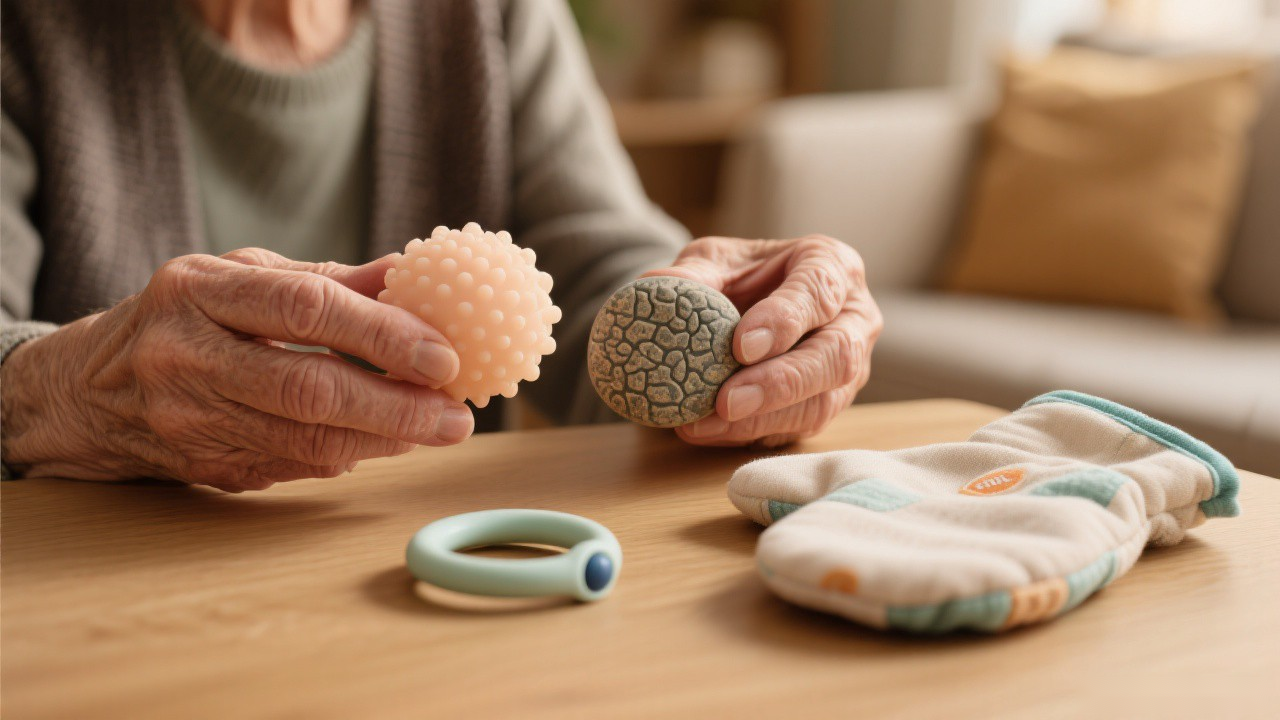
- Sensory muffs and blankets: These are wearable items with various textures, zippers, buttons, and attachments sewn into them. They provide multiple sensory experiences in a single, familiar format that resembles everyday clothing. Many dementia patients find comfort in the weighted, warm feeling of a sensory muff draped across their lap.
- Fidget activity boards: These wooden or fabric boards feature a variety of interactive elements such as latches, locks, switches, and spinning dials. They are particularly effective for seniors who enjoy problem-solving activities and can provide a sense of accomplishment when manipulated successfully.
- Tangle toys: These interconnected curved pieces can be twisted, bent, and rotated into endless configurations. They are excellent for seniors who tend to pick at clothing or bedding, as they give the hands something constructive to do. Tangle toys are also quiet, making them suitable for shared living spaces.
- NeeDoh squish toys: The soft, malleable nature of NeeDoh toys makes them ideal for seniors with limited hand strength. The gentle resistance provides proprioceptive feedback that can be calming and grounding. Their smooth, seamless design also eliminates any risk of small parts breaking off.
- Textured sensory balls: Balls with different surface textures such as ridges, bumps, and soft spikes provide varied tactile input. Rolling a textured ball between the palms can stimulate nerve endings and improve blood circulation in the hands.
How Fidget Toys Support Memory Care Programs
Many memory care facilities have integrated fidget toys into their daily programming as part of a broader sensory enrichment approach. Fidget toys are often used during group activities, one-on-one interaction sessions, and quiet time. Care coordinators report that residents who engage regularly with fidget toys show improved mood, reduced wandering behavior, and decreased reliance on antipsychotic medications.
The key to success in a memory care setting is offering a variety of fidget options and rotating them regularly to maintain interest. What engages one resident may not appeal to another, and individual preferences can change over time as the disease progresses.
Safety Considerations for Senior Fidget Toys
Non-Toxic Materials
When selecting fidget toys for seniors, especially those who may put objects in their mouth, it is essential to choose products made from non-toxic, BPA-free, phthalate-free, and lead-free materials. Look for toys that are certified by recognized safety organizations and are specifically marketed as safe for therapeutic use. Silicone-based toys are generally the safest option, as they are hypoallergenic, durable, and free from harmful chemicals.
Size and Choking Hazards
All fidget toys intended for senior use should be large enough that they cannot be accidentally swallowed. This is especially critical for seniors with advanced dementia who may have difficulty distinguishing between food and non-food objects. As a general rule, any fidget toy given to a senior with cognitive impairment should be larger than a standard golf ball. Avoid toys with detachable parts, beads, or small components that could come loose with repeated use.
Durability and Cleaning
Senior fidget toys should be constructed from materials that can withstand vigorous squeezing, pulling, and twisting. Silicone and high-quality rubber toys tend to be the most durable options. Additionally, because fidget toys in care settings may be shared between residents, they should be easy to clean and sanitize. Look for toys that can be washed with soap and water or wiped down with disinfectant without degrading the material.
Avoiding Overstimulation
While sensory stimulation is beneficial, it is possible to overstimulate seniors, particularly those with sensory processing difficulties. Avoid fidget toys that produce loud noises, flash bright lights, or have overwhelming visual patterns. The goal is to provide calming, grounding sensory input, not to create additional sensory chaos. If a senior appears agitated or distressed by a particular fidget toy, remove it immediately and try a different option.
Top Fidget Toy Recommendations for Seniors
For Independent Seniors
Seniors living independently who want to maintain hand strength and cognitive function have the widest range of options available to them.
- NeeDoh Nice Cube: This smooth, squishy cube provides gentle resistance that strengthens hand muscles while offering a satisfying tactile experience. Its compact size makes it perfect for keeping on a bedside table or in a purse.
- Resistance therapy putty: Available in various resistance levels, therapy putty allows seniors to perform progressive hand exercises that maintain grip strength and finger dexterity. It can be shaped, stretched, and squeezed in countless ways.
- Fidget rings and spinner rings: These elegant, jewelry-style fidget toys are discreet and socially appropriate for any setting. They are particularly popular among seniors who want the benefits of fidgeting without drawing attention.
For Seniors with Limited Mobility
Seniors with limited hand mobility due to arthritis, Parkinson's disease, or stroke recovery need fidget toys that accommodate their physical limitations.
- Large-grip sensory rollers: These oversized rollers with textured surfaces can be used with minimal grip strength. Simply rolling them across a table or between the palms provides excellent sensory input.
- Weighted lap pads: While not a traditional fidget toy, weighted lap pads provide deep pressure stimulation that can calm the nervous system and reduce anxiety. They are especially beneficial for seniors who spend extended periods seated.
- Velcro sensory strips: These simple strips of fabric with Velcro attachments can be pulled apart and reattached with minimal effort, providing satisfying tactile and auditory feedback.
For Seniors in Memory Care
Seniors in memory care settings benefit from fidget toys that are engaging, safe, and easy to use without instruction.
- Fidget aprons and sensory blankets: These wearable items feature multiple attachments including zippers, ribbons, buttons, and textured patches. They provide hours of engagement and are difficult to lose or misplace.
- Musical fidget boxes: Small boxes with buttons that produce pleasant sounds when pressed can be highly engaging for seniors with advanced dementia who respond well to auditory stimulation.
- Aromatherapy fidget toys: Some fidget toys incorporate lavender, chamomile, or other calming scents into their design. The combination of tactile and olfactory stimulation can be particularly effective for reducing agitation.
Caregiver Guide: Implementing Fidget Toys in Daily Care
Assessing Individual Needs
Every senior has unique preferences, abilities, and sensory needs. Before introducing fidget toys, caregivers should spend time observing the senior's natural hand movements, preferred textures, and activity patterns. Does the senior enjoy rubbing fabric between their fingers? Do they tend to pick at their nails or clothing? Do they prefer smooth or textured surfaces? These observations will guide the selection of the most appropriate fidget toys.
Creating a Fidget Station
Setting up a dedicated fidget station in the senior's living space can encourage independent use and make fidget toys easily accessible. A small basket or tray on a side table with three to five different fidget options allows the senior to choose what appeals to them at any given moment. Rotate the available toys every week or two to maintain interest and prevent boredom.
Monitoring and Adjusting
Caregivers should regularly assess how the senior is responding to their fidget toys. Signs of positive engagement include relaxed body language, sustained interest, and improved mood. Signs that a toy may not be appropriate include frustration, disinterest, or attempts to throw or break the toy. Keep a log of which toys the senior engages with most frequently and for the longest duration to inform future purchasing decisions.
Combining Fidget Toys with Other Therapies
Fidget toys are most effective when used as part of a comprehensive care plan that includes physical exercise, social engagement, cognitive stimulation, and proper nutrition. Caregivers can combine fidget toy use with reminiscence therapy by choosing toys that evoke positive memories, such as textured fabrics that feel like favorite clothing or wooden toys that recall childhood playthings.
The Science Behind Sensory Stimulation in Aging
Proprioceptive Feedback and Body Awareness
As people age, their proprioceptive sense, which is the body's ability to perceive its own position in space, often diminishes. This can lead to decreased balance, coordination, and confidence in movement. Fidget toys that provide proprioceptive feedback through resistance and weight help seniors maintain this critical sense, potentially reducing fall risk and improving overall mobility.
The Role of Repetitive Motion
Repetitive hand motions such as squeezing, rolling, and twisting activate the cerebellum and basal ganglia, brain regions involved in motor control and learning. For seniors, these repetitive motions serve as a form of gentle exercise for the brain, helping to maintain the neural circuits that support coordinated movement. This is particularly relevant for seniors with Parkinson's disease, where maintaining motor function is a primary treatment goal.
Emotional Regulation Through Tactile Input
The emotional benefits of fidget toys for seniors extend beyond simple distraction. Tactile stimulation has been shown to increase the production of oxytocin, often called the bonding hormone, and reduce levels of cortisol, the stress hormone. This neurochemical shift can improve mood, reduce feelings of loneliness, and enhance overall emotional well-being. For seniors who may be experiencing grief, isolation, or depression, the simple act of holding and manipulating a comforting object can provide genuine emotional relief.
Conclusion
Fidget toys for seniors represent a simple, affordable, and effective tool for supporting cognitive health, managing behavioral symptoms, and improving quality of life. From soft squish toys for dementia patients to elegant fidget rings for independent seniors, the range of available options ensures that every older adult can find a fidget toy that meets their unique needs and preferences. By understanding the science behind sensory stimulation and following the safety guidelines outlined in this guide, caregivers and family members can make informed decisions about incorporating fidget toys into their loved one's daily routine. As research in geriatric occupational therapy continues to evolve, the role of fidget toys in senior care is likely to grow, offering even more specialized and effective options in the years to come.
Frequently Asked Questions
Are fidget toys safe for seniors with dementia?
Yes, when chosen carefully. The safest fidget toys for seniors with dementia are those made from non-toxic, BPA-free materials with no small parts that could be swallowed. Weighted lap pads, large textured sensory mats, and soft squish toys are excellent options. Always supervise initial use and inspect toys regularly for wear and tear.
Can fidget toys help slow cognitive decline in elderly individuals?
While fidget toys cannot cure or reverse cognitive decline, research suggests that regular sensory stimulation and hand exercises can help maintain neural pathways, improve focus, and reduce agitation in seniors with mild to moderate cognitive impairment. They are most effective when used as part of a comprehensive care plan.
What types of fidget toys are best for elderly hands with arthritis?
Seniors with arthritis benefit from fidget toys that require gentle squeezing, rolling, or sliding motions rather than fine pinch grips. Soft silicone stress balls, NeeDoh squish toys, large-textured sensory rollers, and fidget rings are ideal because they provide sensory feedback without straining finger joints.
How can caregivers introduce fidget toys to elderly loved ones?
Start by observing what types of movements your loved one naturally gravitates toward. Introduce one or two simple fidget toys during calm moments, demonstrate how to use them, and avoid overwhelming them with too many options at once. Be patient and allow the senior to explore the toy at their own pace.
How often should seniors use fidget toys for cognitive benefit?
For optimal cognitive and emotional benefits, seniors can use fidget toys for 15 to 30 minutes, two to three times per day. Short, frequent sessions are more effective than prolonged use. Incorporating fidget toys into daily routines such as during television time, after meals, or before bedtime can help establish consistent use.