Eco-Friendly Fidget Toys: Sustainable Stress Relief Guide 2026
Casey Linden
Author
Why Eco-Friendly Fidget Toys Matter
The fidget toy industry has experienced explosive growth over the past five years, with millions of units sold annually worldwide. While these toys provide genuine benefits for stress relief, focus, and sensory regulation, their environmental impact has become an increasingly important concern. The vast majority of conventional fidget toys are made from petroleum-based plastics, synthetic rubbers, and non-recyclable materials that contribute to landfill waste and environmental pollution.
In 2026, the conversation around sustainability has reached every consumer product category, and fidget toys are no exception. Consumers are increasingly seeking products that align with their environmental values without sacrificing quality, durability, or sensory satisfaction. The good news is that the fidget toy industry has responded with a growing range of eco-friendly options that prove sustainability and functionality can coexist.
This guide explores the world of eco-friendly fidget toys in detail, covering the materials, brands, manufacturing practices, and specific products that are leading the way toward a more sustainable future for stress relief and sensory play.
Sustainable Materials Used in Fidget Toys
Recycled Silicone
Silicone is one of the most common materials in fidget toys, used in products like NeeDoh squishies, Pop Its, and various sensory tools. While silicone is more environmentally friendly than petroleum-based plastics, it still requires energy-intensive manufacturing and is not biodegradable.
Recycled silicone addresses these concerns by repurposing post-industrial and post-consumer silicone waste. The recycled material performs identically to virgin silicone, maintaining the same elasticity, durability, and safety properties. Several fidget toy brands have transitioned to 100% recycled silicone for their product lines, significantly reducing the environmental footprint of their products.
Recycled silicone fidget toys are an excellent choice because they do not require any compromise in quality or sensory experience. You get the same satisfying squish, stretch, and pop as conventional silicone toys, but with a reduced environmental impact.
Bamboo and Wood
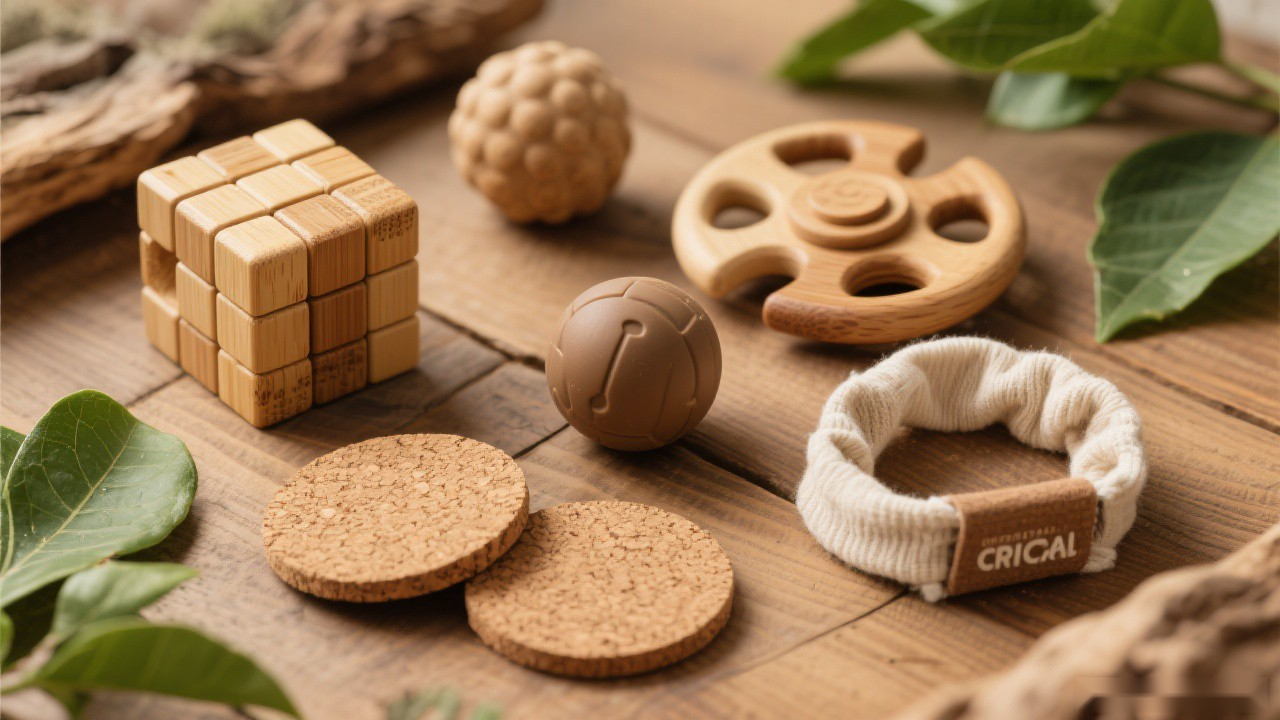
Bamboo has emerged as a premium material for eco-friendly fidget toys. As one of the fastest-growing plants on Earth, bamboo is highly renewable and requires minimal water, pesticides, or fertilizers to cultivate. It is also naturally antibacterial, lightweight, and pleasantly smooth to the touch.
Bamboo fidget cubes, spinners, and rollers are increasingly popular in 2026. These toys offer a warm, natural aesthetic that contrasts with the bright plastic look of conventional fidgets. The tactile experience of bamboo is unique: smooth, slightly warm, and with a subtle grain texture that provides sensory interest.
FSC-certified hardwood is another sustainable option for fidget toys. Wood fidgets such as worry coins, spinning tops, and interlocking puzzles offer a premium feel and exceptional durability. A well-made wooden fidget toy can last for decades, making it one of the most sustainable options available.
Natural Rubber
Natural rubber, harvested from rubber trees (Hevea brasiliensis), is a renewable and biodegradable material that is ideal for stress balls and squishy fidget toys. Unlike synthetic rubber derived from petroleum, natural rubber is a plant-based material that decomposes naturally at the end of its life.
Natural rubber stress balls offer excellent tactile feedback with a firm, responsive squeeze. They are naturally tacky, providing a good grip even during extended use. Some natural rubber fidgets are infused with essential oils for aromatherapy benefits, combining tactile and olfactory stress relief.
The main limitation of natural rubber is that some individuals have latex allergies. If you have a latex sensitivity, look for fidget toys made from alternative materials such as recycled silicone or organic cotton.
Cork
Cork is another remarkable sustainable material for fidget toys. Harvested from the bark of cork oak trees, the harvesting process does not harm the tree, and the bark regenerates within 9 to 12 years. Cork is lightweight, naturally antimicrobial, water-resistant, and has a unique textured surface that provides excellent tactile stimulation.
Cork fidget toys in 2026 include sensory discs, texture pads, fidget rings, and desk toys. The natural texture of cork is pleasantly rough and grippy, making it ideal for tactile exploration. Cork is also fully biodegradable and compostable, making it one of the most environmentally responsible material choices available.
Organic Cotton and Natural Fibers
Fabric-based fidget toys made from organic cotton, hemp, and other natural fibers offer a soft, quiet, and washable fidgeting experience. These materials are grown without synthetic pesticides or fertilizers, making them better for the environment and for the farmers who cultivate them.
Organic cotton sensory strips, fabric fidget rings, and textured touch pads are popular options for users who prefer gentle, non-mechanical fidgeting. These toys are particularly well-suited for classroom and office environments because they produce no noise and are discreet to use.
Natural fiber fidgets are also machine washable, which extends their lifespan and reduces the need for replacement. A well-made organic cotton fidget toy can last for years with proper care.
Biodegradable Bioplastics
Bioplastics derived from plant sources such as corn starch, sugarcane, and potato starch represent the cutting edge of sustainable fidget toy manufacturing. These materials can be molded into complex shapes just like conventional plastics but are biodegradable under the right conditions.
PLA (polylactic acid) is the most common bioplastic used in fidget toys. It is derived from fermented plant starch and is compostable in industrial composting facilities. PLA fidget cubes, spinners, and puzzle toys are available from several eco-conscious brands in 2026.
It is important to note that PLA requires specific composting conditions (high heat and humidity) to break down properly. It will not decompose in a backyard compost bin or a landfill. However, it is still a significant improvement over petroleum-based plastics in terms of carbon footprint and resource sustainability.
Best Eco-Friendly Fidget Toys in 2026
Bamboo Fidget Cubes
Bamboo fidget cubes are among the most popular eco-friendly fidget toys available. They feature multiple sides with different fidget mechanisms including clickers, rollers, switches, and spinners, all encased in a smooth bamboo shell. The natural grain of the bamboo gives each cube a unique appearance.
Top bamboo fidget cubes in 2026 feature smooth, rounded edges for comfortable handling, quiet mechanisms suitable for office and classroom use, and durable construction that can withstand months of daily use. Prices typically range from 10 to 20 USD.
Natural Rubber Stress Balls
Natural rubber stress balls are a classic eco-friendly option that has been improved significantly in 2026. Modern versions feature varied resistance levels, textured surfaces for enhanced tactile feedback, and some include internal gel cores for a unique squish sensation.
The best natural rubber stress balls are made from pure, unbleached rubber without synthetic additives. They are firm enough to provide genuine resistance but soft enough to be comfortable for extended squeezing sessions. Prices range from 5 to 15 USD depending on size and complexity.
Recycled Silicone Sensory Toys
Several brands now offer fidget toys made entirely from recycled silicone. These include squishy toys similar to NeeDoh products, Pop Its, and sensory rings. The recycled silicone performs identically to virgin silicone, so there is no compromise in quality.
Recycled silicone sensory toys are particularly appealing because they address one of the largest material categories in the fidget toy industry. By choosing recycled silicone, consumers can enjoy their favorite types of fidget toys while supporting sustainable manufacturing practices.
Cork Sensory Discs
Cork sensory discs are textured circular pads that provide tactile stimulation through their naturally rough surface. They are excellent for desk fidgeting, as they are silent, discreet, and can be used with one hand while the other remains on the keyboard or mouse.
Multi-surface cork discs that combine smooth and textured areas in a single disc are available in 2026. These provide varied tactile input and are ideal for sensory seekers who want multiple textures in one compact tool. Prices range from 6 to 12 USD.
Organic Cotton Fidget Strips
Organic cotton fidget strips are fabric strips with different textures, buttons, and seams sewn along their length. They are designed to be held, twisted, and rubbed between the fingers for calming tactile input. They are completely silent and machine washable.
These strips are particularly popular in educational settings, where teachers appreciate their quiet operation and durability. They are also one of the most affordable eco-friendly fidget options, with prices typically between 4 and 10 USD.
Ethical Manufacturing and Fair Trade Practices
Beyond Materials: The Importance of Ethical Production
Sustainability is not just about materials. The way fidget toys are manufactured, packaged, and distributed also has a significant environmental and social impact. In 2026, the most responsible fidget toy brands are addressing the full lifecycle of their products, from raw material sourcing to end-of-life disposal.
Ethical manufacturing practices include fair wages and safe working conditions for factory workers, reduced water and energy consumption during production, minimal and recyclable packaging, and transparent supply chains that allow consumers to verify environmental and social claims.
Brands Leading the Way
Several fidget toy brands have established themselves as leaders in sustainable and ethical manufacturing. These companies prioritize recycled and biodegradable materials, carbon-neutral shipping, plastic-free packaging, and fair trade certifications for their supply chains.
When shopping for eco-friendly fidget toys, look for brands that provide detailed information about their sustainability practices. Genuine eco-friendly brands are transparent about their materials, manufacturing processes, and environmental certifications. Be cautious of greenwashing, where companies make vague or unsubstantiated environmental claims without providing specific details.
How to Choose Eco-Friendly Fidget Toys
Assess Your Fidget Needs
Before choosing an eco-friendly fidget toy, consider what type of sensory input you need. If you prefer squeezing and squishing, natural rubber or recycled silicone options are ideal. If you enjoy clicking and rolling, bamboo fidget cubes provide multiple mechanisms. If you need quiet, discreet fidgeting, organic cotton strips or cork discs are the best choices.
Understanding your personal fidget preferences will help you select a sustainable option that you will actually use regularly. The most eco-friendly fidget toy is the one that provides effective stress relief and lasts a long time, reducing the need for replacement.
Check Material Certifications
Look for fidget toys that carry recognized environmental certifications. FSC certification for wood and bamboo products ensures responsible forestry practices. GOTS (Global Organic Textile Standard) certification for cotton products guarantees organic farming and ethical processing. OEKO-TEX certification indicates that textile products are free from harmful substances.
These certifications provide independent verification of environmental claims and help you make informed purchasing decisions. Brands that invest in third-party certification demonstrate a genuine commitment to sustainability.
Consider Longevity and Repairability
The most sustainable fidget toy is one that lasts. When evaluating eco-friendly options, consider the build quality and expected lifespan. A slightly more expensive toy that lasts for years is more sustainable than a cheap toy that breaks in weeks and needs to be replaced.
Some eco-friendly fidget toys are designed to be repairable, with replaceable components that extend the product's life. This is a significant advantage over conventional fidget toys that are typically discarded when a single component fails.
Caring for Eco-Friendly Fidget Toys
Maintenance Tips
Proper care extends the life of your eco-friendly fidget toys, reducing waste and maximizing value. Bamboo and wood fidgets should be treated with natural oil (such as linseed or tung oil) every few months to prevent drying and cracking. Keep them away from prolonged moisture exposure.
Natural rubber fidgets should be stored in a cool, dry place away from direct sunlight. UV exposure can cause rubber to degrade and become brittle. A light dusting of cornstarch can prevent natural rubber from becoming sticky over time.
Cork fidgets are naturally water-resistant but should not be submerged in water. Wipe them clean with a damp cloth when needed. Organic cotton fidgets can be machine washed on a gentle cycle and air dried.
End-of-Life Disposal
When your eco-friendly fidget toy reaches the end of its useful life, dispose of it responsibly. Bamboo and wood can be composted or used as kindling. Natural rubber is biodegradable in home composting. Cork is fully compostable. Organic cotton can be composted or recycled as textile waste.
Recycled silicone and bioplastic fidgets require specialized recycling facilities. Check with your local recycling program to see if they accept these materials. Some fidget toy brands offer take-back programs where you can return used products for proper recycling.
The Future of Sustainable Fidget Toys
Innovation on the Horizon
The eco-friendly fidget toy market is evolving rapidly, with new materials and innovations emerging regularly. Mycelium-based materials (derived from mushroom roots) are being explored as a sustainable alternative to both plastic and rubber. Algae-based bioplastics offer another promising avenue for fully biodegradable fidget toys.
3D printing with sustainable filaments such as recycled PET, bamboo fiber composites, and hemp-based PLA is making it possible to create custom fidget toys on demand, reducing overproduction and waste. Some companies are exploring circular economy models where fidget toys are designed to be returned, refurbished, and resold.
Consumer Impact
As consumers continue to demand sustainable options, the fidget toy industry will increasingly prioritize environmental responsibility. Every purchase of an eco-friendly fidget toy sends a signal to manufacturers that sustainability matters. Over time, this consumer pressure drives innovation, reduces costs, and makes sustainable options more accessible to everyone.
Conclusion
Eco-friendly fidget toys in 2026 offer a compelling combination of effective stress relief and environmental responsibility. From bamboo fidget cubes to natural rubber stress balls, recycled silicone squishies to cork sensory discs, there are sustainable options for every fidget preference and budget.
Making the switch to eco-friendly fidget toys does not mean sacrificing quality or sensory satisfaction. The best sustainable fidget toys perform just as well as their conventional counterparts while significantly reducing environmental impact. By choosing materials that are recycled, renewable, or biodegradable, and supporting brands that prioritize ethical manufacturing, you can enjoy the benefits of fidgeting while contributing to a healthier planet.
The next time you need a new fidget toy, consider the environmental impact of your choice. With the growing range of high-quality eco-friendly options available, going green has never been easier or more rewarding.
Frequently Asked Questions
Are there truly eco-friendly fidget toys?
Yes, eco-friendly fidget toys do exist. They are made from sustainable materials such as recycled silicone, bamboo, cork, organic cotton, biodegradable plastics, and natural rubber. Several brands now prioritize sustainability in their manufacturing processes.
What materials are used in eco-friendly fidget toys?
Common sustainable materials include recycled ocean plastics, FSC-certified bamboo, natural cork, organic cotton fabric, plant-based bioplastics like PLA, natural tree rubber, and recycled silicone. Each material has different properties suited to different types of fidget toys.
Are eco-friendly fidget toys as durable as regular ones?
Many eco-friendly fidget toys are just as durable as conventional ones. Bamboo and metal fidgets can last for years. Recycled silicone performs identically to virgin silicone. Some bioplastic options may be slightly less durable than petroleum-based plastics but still offer adequate lifespan for regular use.
Can I recycle my old fidget toys?
It depends on the material. Silicone fidgets can be recycled at specialized facilities. Metal fidgets are widely recyclable. Plastic fidgets may be recyclable if they carry a recycling symbol. Biodegradable fidgets can be composted in appropriate facilities. Always check with your local recycling program.
Which eco-friendly fidget toy is best for stress relief?
The best eco-friendly fidget toy for stress relief depends on your preferred fidget style. For squeezing, natural rubber stress balls are excellent. For clicking and rolling, bamboo fidget cubes are satisfying. For tactile stimulation, organic cotton sensory strips provide gentle, calming feedback.